2026-08-03 · Sofia Almeida
Why Coral Gables Estates Still Command a Premium
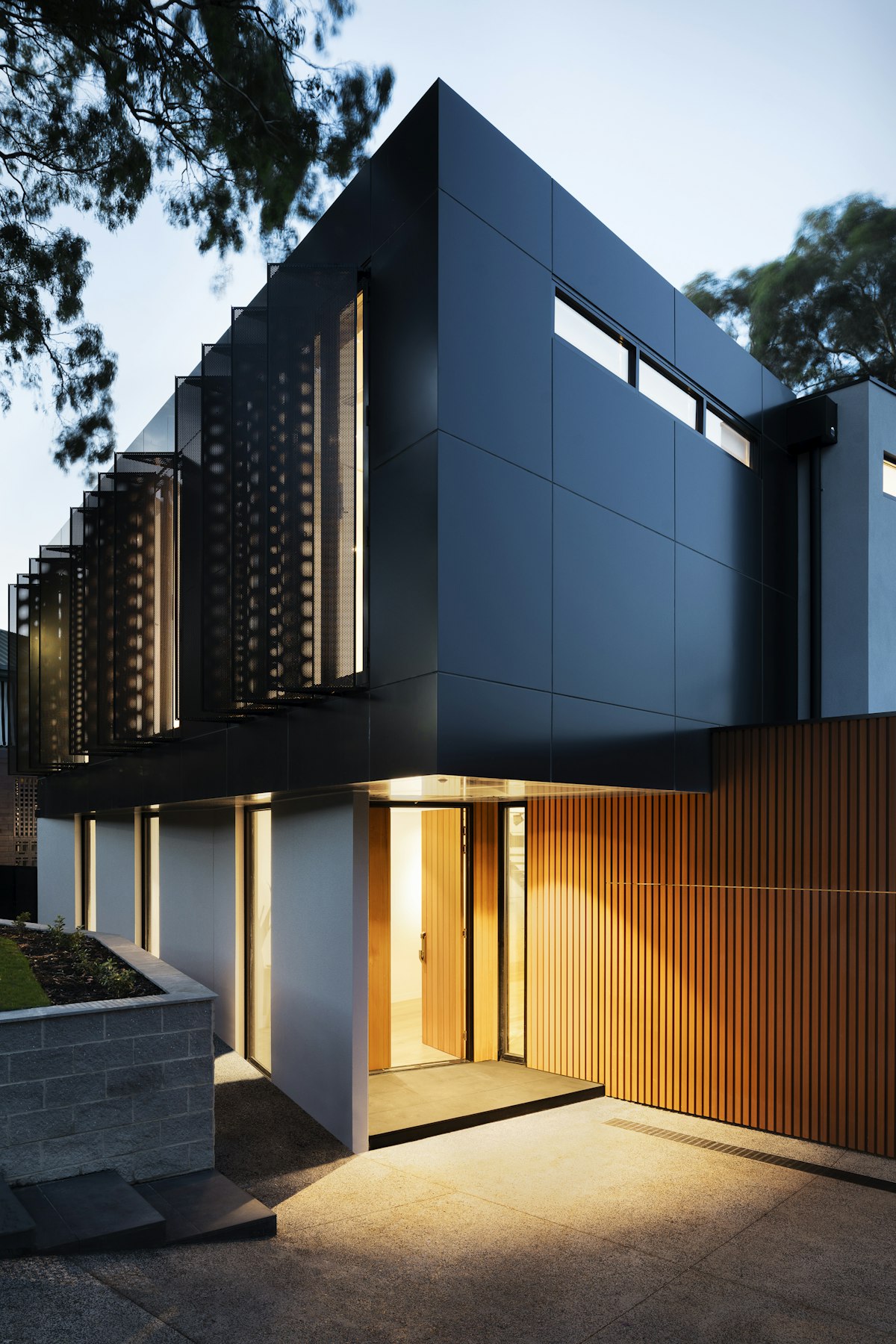
Coral Gables rarely shouts. While Brickell’s glass catches the afternoon light and South Beach owns the postcard, the City Beautiful keeps compounding quietly—through lot size, architectural discipline, and a residential fabric that still feels like a neighborhood rather than a skyline.
Land you can actually use
In a metro where tower living dominates the conversation, Coral Gables offers something increasingly scarce: depth of lot and room to live outdoors. Estates near the Biltmore or along Alhambra Circle trade not only on interior square footage but on courtyards, guest casitas, and pool pavilions that function as true second living rooms. Buyers relocating from larger northern homes often find Gables the only Miami address that feels spatially familiar.
Architectural review as a moat
Design review can frustrate a rushed renovation timeline—and that friction is part of the premium. Coherent streetscapes protect long-term value. When we advise sellers, we lean into original details that survive scrutiny: limestone, wrought iron, clay tile, and proportion. When we advise buyers planning additions, we introduce architects who already speak the local design language so projects move with fewer resets.
Schools and stickiness
Family buyers still cite school options and walkable pockets near Miracle Mile as reasons to stretch for the right estate. That demand creates stickiness: owners stay longer, inventory turns slower, and well-presented homes find qualified audiences quickly when priced with discipline.
If you are weighing a Coral Gables purchase against a waterfront condo, ask which version of Miami weekends you want for the next decade. The estate premium is real—and for the right household, it is rational.